
Designing Homes for Wisconsin’s Climate
- timwarden
- Jan 12
- 3 min read
Designing a home in Wisconsin requires more than selecting a floor plan and finishes—it requires a deep understanding of how climate impacts performance, durability, and long-term comfort. Homeowners in Madison, Sun Prairie, and throughout Dane County experience harsh winters, heavy snow loads, freeze–thaw cycles, humidity, and wide temperature swings that can quickly expose poor design or construction decisions.
Homes that are thoughtfully designed for Wisconsin’s climate last longer, perform better, and cost less to operate over time. Whether building new or planning a major renovation, climate-responsive design is one of the most important investments a homeowner can make.

Understanding Wisconsin’s Climate Challenges
Wisconsin homes face environmental stresses that many regions never encounter. Long heating seasons, deep frost depths, snow accumulation, and moisture intrusion all place constant pressure on a home’s structure and systems. Poorly designed homes often suffer from ice dams, drafts, moisture problems, foundation movement, and premature material failure.
Designing for this environment means addressing these challenges from the very beginning—not reacting to them after problems appear. Working with experienced custom home builders in Wisconsin ensures climate considerations are built into every stage of design and construction.
Foundations Designed for Freeze–Thaw Conditions
A home’s foundation is its first line of defense against Wisconsin’s climate. Frost depth, soil conditions, drainage, and water management must all be carefully considered. Foundations that are improperly designed or drained are prone to cracking, shifting, and moisture intrusion.
Climate-appropriate foundation design includes proper footing depth, drainage systems, moisture barriers, and structural reinforcement. These elements protect the home from frost heave and water damage while ensuring long-term stability—especially critical in Dane County soils.
Framing and Structural Design for Snow Loads
Snow loads are a major structural consideration in Wisconsin. Roof systems, load paths, and framing connections must be designed to safely carry winter snow accumulation without sagging or failure.
Professional residential framing contractors ensure roof trusses, rafters, beams, and walls are engineered and installed to meet Wisconsin snow load requirements. Proper framing also reduces long-term movement and helps maintain structural integrity through decades of seasonal change.
Insulation, Air Sealing, and Energy Efficiency
Energy efficiency is not optional in Wisconsin—it’s essential. Homes designed for cold climates require more than basic insulation. Effective design integrates insulation, air sealing, and vapor control as a complete system.
High-performance wall assemblies, attic insulation, sealed penetrations, and properly detailed transitions reduce heat loss and prevent condensation issues. These strategies improve comfort, lower energy costs, and protect the home from moisture-related damage common in colder climates.
Roof Design, Overhangs, and Water Management
Roof design plays a critical role in climate performance. Pitch, overhang depth, and drainage details directly affect how a home handles snow, ice, and rain. Proper overhangs help protect siding and windows, while correct roof slopes reduce ice dam risk.
Water management systems—gutters, downspouts, flashing, and drainage—must be integrated into the design rather than treated as afterthoughts. Homes designed with proper water control are far less likely to experience long-term exterior or foundation damage.
Exterior Materials Built to Last
Material selection is a major factor in climate durability. Siding, trim, decking, and masonry must withstand moisture, temperature swings, and UV exposure without excessive maintenance or early failure.
Incorporating durable exterior systems—including professionally installed masonry and structural stone elements—adds both performance and longevity.
When materials are selected and installed with climate performance in mind, homes maintain their appearance and integrity far longer.
Outdoor Living Designed for All Seasons
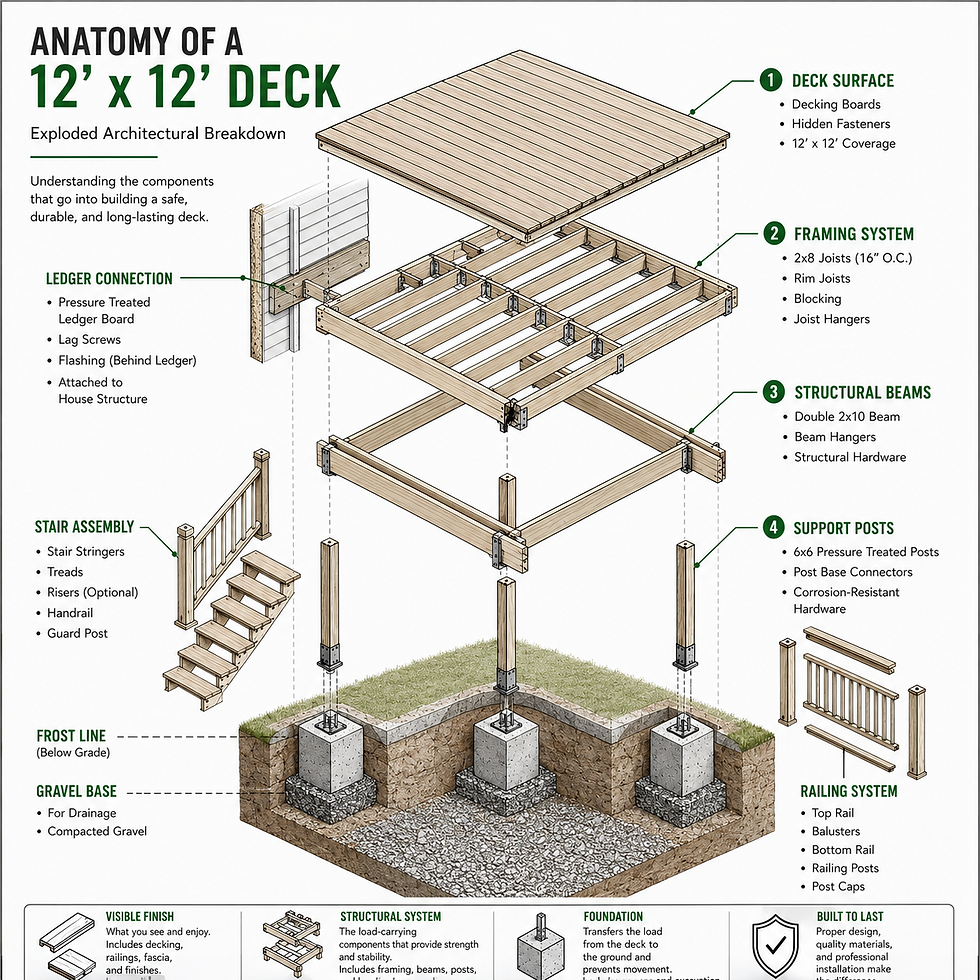
Wisconsin homeowners increasingly want outdoor living spaces that remain safe and usable across seasons. Decks, porches, and exterior structures must be designed with proper foundations, hardware, and materials to handle snow loads and moisture.
Professional deck builders in Sun Prairie and Dane County design outdoor spaces that perform year-round—using appropriate framing methods, foundation systems, and materials suited for Wisconsin conditions.
Designing for Long-Term Comfort and Value
Climate-responsive design isn’t just about surviving winter—it’s about creating a home that remains comfortable, efficient, and durable year after year. Homes designed for Wisconsin’s climate experience fewer repairs, lower operating costs, and stronger resale appeal.
Buyers increasingly recognize the value of homes that are built correctly for the region. Thoughtful design choices made today continue to pay dividends well into the future.
Why Climate-Focused Design Matters in Wisconsin
Designing a home for Wisconsin’s climate requires experience, planning, and an understanding of how every system works together. From foundations and framing to insulation and exterior materials, each decision impacts performance and longevity.
For homeowners in Madison, Sun Prairie, and throughout Dane County, partnering with professionals who understand local conditions ensures homes are not just beautiful—but built to endure Wisconsin’s demanding environment.
Ready to Start?
Planning a Climate-Smart Custom Home?
Learn more about custom home construction in Wisconsin
🏗️ Need Structural Framing Built for Snow Loads?
Work with experienced residential framing professionals
🧱 Considering Masonry or Stone for Durability?
Explore professional masonry services


Comments